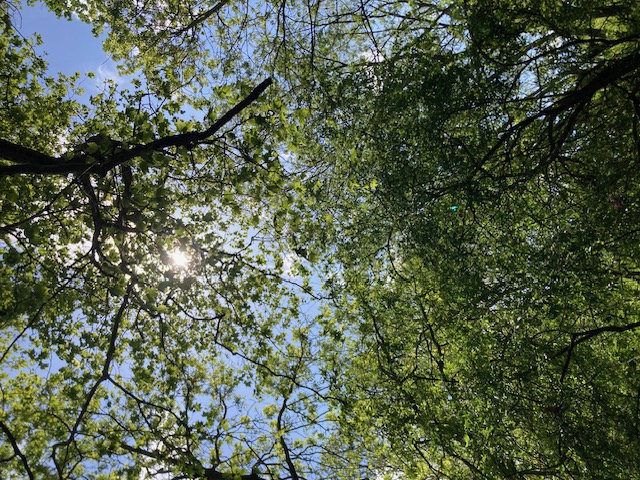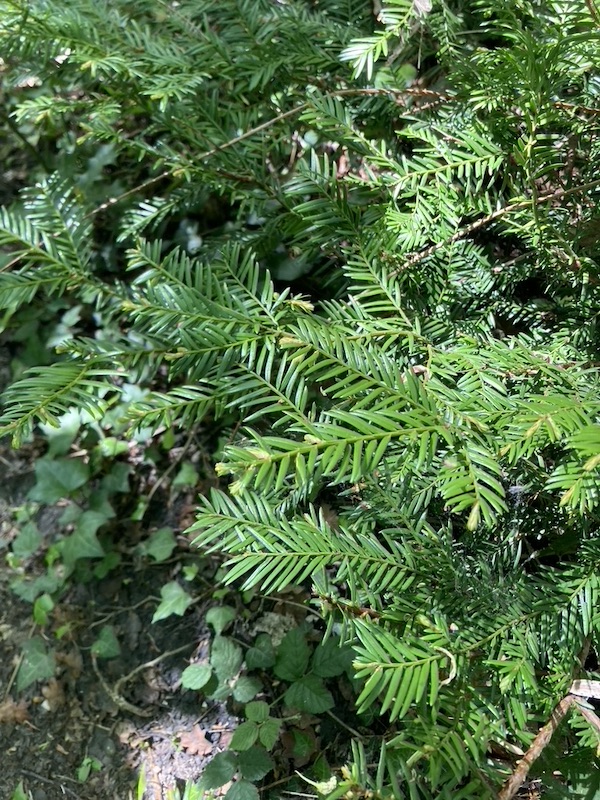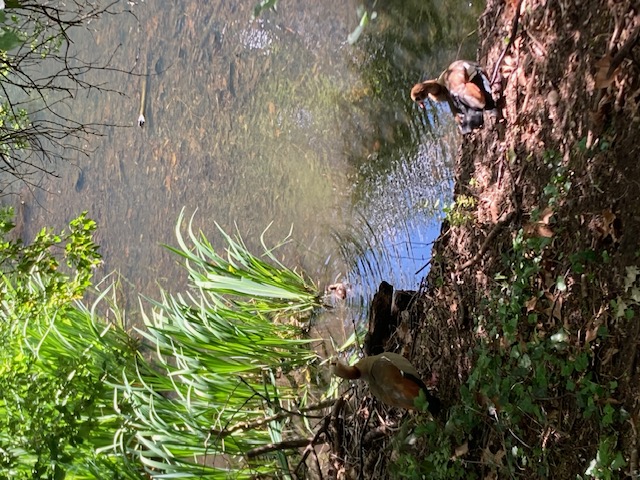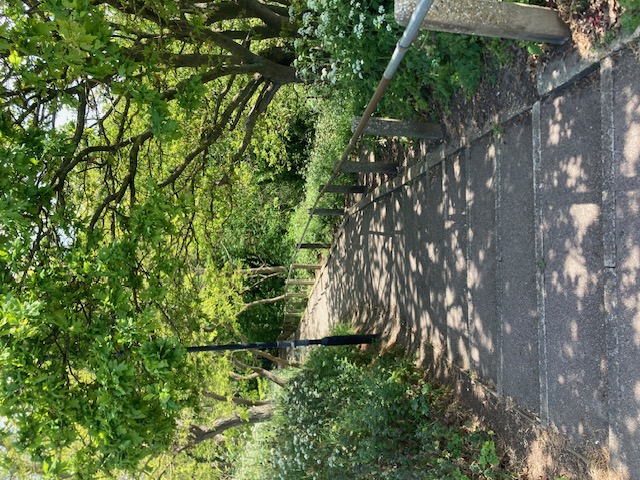
Woodland path

Nature · Heritage · Folklore · Comfort

The Quiet
Rite

OJI · KOLA NUT

An Urban Nature & Culture Journal

Where city walks meet ancient roots — trees, folklore, Igbo heritage, seasonal rituals, and the quiet comfort of coming home to yourself.

Scroll

Symbols drawn from Igbo tradition

Udo
Ije
Ndụ
Ogwu
Echichi
Enyi
Ọ̀mụmụ
Mgbanwe
About

A Space to
Breathe & Belong

Enyi

The Quiet Rite is a journal born from the desire to find peace in the middle of a noisy life. It is a place where a walk through one of London's ancient green spaces becomes a meditation, where a bowl of oha soup carries the memory of home, and where the oak tree at the edge of the path holds centuries of folklore.

Rooted in Igbo heritage and nourished by the natural world, this journal weaves together tree lore, seasonal rituals, comfort food, nature collage, and the quiet magic of paying attention — all written for those who need a moment of stillness in their day.

It is private and unhurried. It does not ask you to perform or share. It simply invites you to slow down and notice.

This journal sits in a long tradition of women who kept the old knowledge — who knew which leaf to boil, which tree to ask, which ground was holy. Women whose knowledge was dismissed as superstition, criminalised as witchcraft, silenced by churches and colonies that understood, correctly, that women who know things are dangerous.

Much of what passes for "traditional" Igbo culture is the residue of that erasure — imposed on a society that had its own women's courts, its own female monarch, its own earth goddess whose moral law governed the land. The Igbo earth, Ala, is female. And in 1929, fifty thousand Igbo women brought a colonial government's plans to ruin, and named what they did Ogu Umunwanyi — the women's war. They knew what they were doing. So did the women before them who walked these English woods and knew which bark to boil before anyone called it medicine.

This is a quiet place. But quiet is not the same as still. The Quiet Rite is, among other things, an act of reclamation — of time, of knowledge, of the right to name what is sacred and what belongs to us.

Oji · A Welcome

In Igbo tradition, no ceremony begins without the kola nut. The elder lifts the nut, offers it to the gathering, and prays before it is broken and shared among everyone present. The number of lobes it reveals carries meaning — four means wholeness and the blessing of all four market days — Eke, Orie, Afọ, Nkwọ; five, abundance. To offer kola is to say: you are seen, you are welcome, let us speak honestly.

The Quiet Rite opens with that same intention. Consider this your kola nut — the thing offered before anything else begins.

Onye wetalu ọjị wetalu ndụ — He who brings kola nut brings life

"Ọ bụ n'ime osisi ka ndụ dị."

Life lives within the tree. — Igbo proverb

Symbols drawn from Igbo tradition — a guide

Udo

Peace

Ndụ

Life

Enyi

Togetherness

Ije

Journey

Ọ̀mụmụ

New beginnings

Mgbanwe

Transformation

Echichi

Ancestral memory

Ogwu

Healing

Tree roots and green moss
Path through Abbey Wood, London
Kola nut seeds — West Africa

Photo: Yaw Afrim Gyebi for Wellcome Collection. CC BY-NC-ND 4.0

Tree roots in dark soil
Root system · Soil · Underground
What lies beneath
What You Will Find Here

Four Seasons
of Stillness

Mgbanwe
Tree & Folklore

One tree each month — found on a London walk or carried in ancestral memory. Its name, its myths, its Igbo resonance, and its place in gothic literature and folk magic.

Ritual & Scent

Seasonal simmer pots, candles, incense blends and wreath-making as slow, meditative practice. Comfort as ceremony.

Heritage Food

Nigerian dishes — oha soup, pepper soup, yam, jollof — paired with the cultural stories they carry. Food as memory and nourishment.

Nature Craft

Nature has already arranged everything. The practice is not making but noticing — learning to see the compositions the earth offers freely on every walk.

Founding Feature · March 2026

Two Trees

Ndụ

Every month, The Quiet Rite will look closely at one tree — its name, its folklore, its practical uses, and its resonance with Igbo culture. But to begin, there are two. One is the tree at my door, flowering right now in London's parks and hedgerows. The other is a tree I know through ceremony, through kitchens, through a mother's hands — a tree of patience and transformation whose gifts arrive slowly and are worth the wait. Together they tell the whole story of this journal.

The Tree at My Door
Blackthorn blossom
Britain · Spring · Witchcraft
The Blackthorn
Prunus spinosa

An early riser. A show-stopper. The blackthorn turns in its homework before anyone else has even sharpened their pencil — flowering before its own leaves appear, white blossoms erupting from bare black branches as if light is breaking from darkness itself. After the long contraction of winter, it is the blackthorn that steps forward first. A talisman of renewal, appearing at the exact moment the light begins to mean something again.

Look closely and you'll see why it stops you in your tracks: clouds of creamy blossom glowing amongst the first fresh green, each flower lit further by its own dark bark. At the centre of every bloom, golden filaments cause a starburst — dozens of tiny suns clustered along a single branch. The darkness of the wood is not incidental. It is what makes the white so white.

The blackthorn gives at both ends of the year — its early blossoms among the first sources of nectar for spring pollinators, its sloe berries, bitter until the first frost softens them, giving us sloe gin and jam come autumn. But bark, fruit and flower have all been used medicinally for centuries — to ease digestion, to soothe rheumatic pain. A tree of quiet remedies as well as drama. It blooms before it is safe. There is something fierce and instructive in that.

African oil bean tree — Pentaclethra macrophylla

Photograph coming — sourcing a properly licensed image of Pentaclethra macrophylla

Igboland · Ceremony · Ancestral
The Oil Bean Tree
Pentaclethra macrophylla · Ugba

The African oil bean tree does not announce itself the way the blackthorn does. It does not rush. It does not flower before it is ready. What it gives, it gives slowly — its long dark pods ripening in their own time, the seeds inside requiring fermentation, transformation, patience, before they become what they are meant to be. Some things must go through a process before they can nourish you.

The seed is dark reddish-brown, smooth and firm in the hand. In Igbo kitchens it is sliced into slivers — a precise, practised action, the knife moving through something dense — then fermented until it carries that smell: rich, pungent, like rain-soaked earth, like vegetation returning to soil. If someone is cooking ugba, you know about it. The smell fills the space completely. It is not a subtle thing. But it is, unmistakably, a good thing.

Ugba — the dish the seeds become — is an appetiser, served in a small bowl before the main meal. Chewy, a little like mushroom, firm and fibrous against the tongue. Palm oil, stockfish, salt, pepper, herbs. Sometimes with garden eggs alongside. It arrives at Igbo gatherings the way the kola nut arrives — before everything else. A threshold food. And when it appears, people are glad. Its presence means someone has gone to the trouble, that the occasion has been properly honoured.

Blackthorn blossom and pink shrub flowering together, SE London

Blackthorn and crab apple flowering together — SE London, April 2026

Blackthorn · The Dark Crone
Folklore & Witchcraft

In Celtic mythology the blackthorn was both feared and sacred — its wood used by witches to make wands, its thorns said to be used to prick waxen poppets in the old practice of sympathetic magic. In the Ogham alphabet it is Straif, the Increaser of Secrets, and thought to be the root of the word "strife." It blooms at the border between winter and spring, between darkness and light — a liminal tree, at home in the in-between.

The Crown & The Curse

The blackthorn carries a shadow. It is said to have provided the crown of thorns placed on Christ's head — a belief that gave it a double nature: sacred and sorrowful at once. Its white flowers, so luminous outdoors, were thought unlucky if brought into the house, associated with death and ill-fortune. Beautiful at a distance. Dangerous when held too close. The blackthorn has always understood that some things belong in the wild.

Gothic Connection

It is the blackthorn hedge — not bramble — that grows around Sleeping Beauty's castle in older versions of the tale. Dense, impenetrable, dangerous and breathtaking: white blossoms on black thorns, beauty and harm inseparable. There is something honest in that. The blackthorn does not pretend to be safe.

Healer & Provider

For all its gothic reputation, the blackthorn is quietly generous. Bark, fruit and flower have all been used medicinally for centuries — the flowers and berries to ease digestive complaints, the bark as a remedy for rheumatic pain. Its flowers are among the earliest sources of nectar for spring pollinators. The sloe berries that follow in autumn become gin, jam, vinegar. The blackthorn gives at both ends of the year, and differently each time.

Blackthorn flowers close up — gold stamens and white petals, SE London

The starburst at the centre of each flower — SE London, April 2026

Oil Bean Tree · Ugba
The Fermentation

The seeds of the African oil bean tree cannot be eaten raw. They must be boiled, then wrapped and left to ferment — traditionally in leaves — for several days before they are ready. This process is what gives ugba its distinctive pungent smell and its firm, chewy texture. Fermentation is not corruption. It is transformation. The seed becomes something it could not have been without time and darkness and patience. The blackthorn blooms before it is safe. The oil bean tree waits until the process is complete. Two different wisdoms.

At the Gathering

Ugba does not appear at ordinary meals. It arrives at occasions — weddings, baptisms, naming ceremonies, anniversaries, cultural meetings. It comes after the kola nut has been broken and shared, before the main food arrives. A small bowl, passed around. The palm oil coating the slivers that deep reddish-amber colour. Sometimes garden eggs alongside — pale, smooth-skinned, bitter and refreshing, cutting through the richness. The seeds are also strung as decorative beads in necklaces and rosaries — the tree present on the body as well as the table. To be offered ugba is to be welcomed into something. It is appetite and ceremony at the same time.

The Igbo Tree

The oil bean tree grows up to thirty-six metres with a wide spreading canopy. Its long woody pods split open explosively when ripe — a sudden drama in the quiet of the forest, seeds scattering in every direction. It is used more in Igbo cooking than anywhere else in Nigeria — ugba is a specifically Igbo dish, and this is a specifically Igbo tree in the way the blackthorn is a specifically British one. In traditional medicine, the bark is applied to sores and wounds, the leaves used to treat digestive ailments, and the seeds — with their significant phytochemical content — have long been used in the management of sickle cell anaemia, a connection that carries particular weight for West African and diaspora communities.

The Memory in the Hands

For many Igbo people in the diaspora, the oil bean tree exists not as something you have stood beneath, but as a seed held in someone's hands. A mother's hands, slicing. The smell of fermentation in a kitchen. The small bowl at a gathering that tells you, before anything else has been said, that you are among your people. Some trees live in the body as image and scent and the memory of a specific gesture. That is not a lesser knowing. It may be the deepest kind.

Reading alongside this feature

For the Blackthorn

Witch's Forest: Trees in Magic, Folklore and Traditional Remedies

Sandra Lawrence  ·  Kew / Welbeck, 2023

A beautifully illustrated journey through the folklore of trees — from birch broomsticks to alder doorways to the Tree of Life. Published in association with the Royal Botanic Gardens Kew, it brings together the witchcraft, medicine and mystery of the woodland in one place. Every tree in this book has a secret. This is the book to read alongside your walks.

Find on Bookshop.org → (affiliate link)

For the Oil Bean Tree

The Longthroat Memoirs: Soups, Sex and Nigerian Taste Buds

Yemisi Aribisala  ·  Cassava Republic, 2016

A stunning, singular book about Nigerian food, memory and identity — written with the kind of intelligence and sensory precision that makes you understand a culture through its cooking. Aribisala writes about ugba, palm oil, fermented things, and the Igbo table with the authority of someone who has eaten and thought and remembered deeply. Essential reading alongside this entry.

Find on Bookshop.org → (affiliate link)
Tree bark close up texture
Bark · Wood · Grain
The skin of the tree
Seasonal Practice

Rituals for
the Quiet Hours

Small ceremonies for the end of the day — or the beginning. Each one takes minutes. Each one returns you to yourself.

Udo
Spring Simmer Pot
Renewal & Fresh Air

As the trees begin to bud, fill your home with the scent of beginning. This simmer pot brightens any room and lifts the heaviness of winter from the lungs.

Lemon slices · Fresh rosemary · Eucalyptus leaves · A sprig of thyme · Cold water brought slowly to warmth
Autumn Candle Ritual
Ancestor Light
Candle ritual

In Igbo tradition, fire carries messages between the living and the remembered. Light a candle at dusk, speak a name quietly, and sit with what comes.

One beeswax candle · Cedar incense · A small stone from a walk · Silence, or soft music
The incense I burn for this ritual is Calmveda — charcoal-free, made from upcycled temple flowers by women artisans in India, with beautiful packaging and a genuinely clean burn. I recommend it wholeheartedly.

Find Calmveda on Amazon →
(affiliate link — I earn a small commission at no cost to you)
Morning Ritual · Year Round
Oji Tea — A Kola Nut Tonic

This is not a recipe from a cookbook. It is how kola nut has been taken across West Africa for centuries — steeped slowly, drunk quietly, before the day begins. Bitter at first, then warming. A small ceremony before everything else.

The kola nut contains natural caffeine and theobromine. Traditionally chewed alone before meetings and ceremonies, it was a way of sharpening the mind and settling the spirit before important words were spoken. This tonic does the same, more gently.

What you need

1 small kola nut (fresh or dried, from a Nigerian or West African food shop) · 3–4 cups of cold water · A small piece of fresh ginger · 1 tsp honey, to taste · Optional: a pinch of cinnamon

How to make it

Crack or roughly crush the kola nut. Place in a small saucepan with the cold water and ginger. Bring slowly to a gentle simmer — do not rush this. Let it steep for twenty to thirty minutes over a low heat. The water will turn a warm amber. Strain. Add honey if you wish. Drink it warm, in a quiet moment, before the morning begins in earnest.

Fresh or dried kola nut · Water · Ginger · Honey · Stillness

Note: kola nut contains caffeine. Drink in moderation. Avoid during pregnancy. Kola nuts are available at most Nigerian and West African food shops in London.

Red earth soil close up
Earth · Laterite · Red soil
Ala · The red earth
Heritage Food

The Stories
Food Carries

Ọ̀mụmụ

Every dish from home holds a world inside it — a festival, a grandmother's hands, the smell of a different season in a different country.

Nigerian food is not simply sustenance. It is ceremony. The preparation of oha soup from leaves torn by hand — never cut — the cracking of kola nut before a gathering, the slow patience of pepper soup made for a new mother — these are acts of love and belonging that stretch back further than any recipe card.

In The Quiet Rite, food sits alongside folklore and nature as an equal pillar. What we eat connects us to where we come from. And sometimes, a bowl of something warm and familiar is the most powerful ritual of all.

Reading alongside this

Longthroat Memoirs: Soups, Sex and Nigerian Taste Buds

Yemisi Aribisala  ·  Cassava Republic Press

A winner of the John Avery Award, this is one of the most beautiful books written about Nigerian food — part cultural history, part love letter, part oral tradition. Aribisala writes about yam, soup, snails and the politics of the Nigerian kitchen with wit, sensuality and deep ancestral knowledge. Essential reading for anyone who believes that what we eat is who we are.

Find on Bookshop.org → (affiliate link — supports independent booksellers)

Also on the shelf

The Remarkable Baobab

Thomas Pakenham  ·  W. W. Norton & Company

A love letter to the most extraordinary tree on the planet. The Baobab does not grow in Igboland — it belongs to the drier north of Nigeria and the savannah beyond — but it is deeply West African, and its bark and fruit have sustained communities for millennia. Pakenham photographs and documents specimens across Africa, Madagascar, Australia and America, weaving together the myths, the medicine and the sheer ancient strangeness of these upside-down giants. A book to sit with slowly.

Find on Bookshop.org → (affiliate link — supports independent booksellers)
Pepper Soup
Ofe Onugbu — the medicine pot

Made with fragrant uziza seeds, utazi leaves, and whatever fish or meat the season offers, pepper soup is Igbo healing in a bowl. It is what is made when someone is unwell, when a child is born, when the cold sits too deep in the bones.

This month's recipe includes a winter adaptation — warming without being heavy, made from ingredients easy to find in south-east London.

Dark forest floor soil and leaves
Forest floor · Dark loam · Leaf litter
The dark earth of the wood
Nature Craft

Making Beauty
from Gathered Things

The earth is already composing. Stones, shells, leaves, bark — laid out by wind and rain and time. All we do is stop, and look, and see.

Ije
Nature Collage
Oak leaves on dark ground Leaves underfoot Beech leaves underfoot

Nature has already arranged everything. The fallen oak leaves layered on dark earth, the bark peeling back to reveal a pattern beneath, the frost on a spider's web — these are ready-made compositions. The practice is not arrangement but attention. Learning to see what is already there.

Seasonal Wreath
Hops wreath — seasonal wreath making Spring foliage wreath on wooden door Pastel pussy willow spring wreath

The wreath is one of the oldest forms humans have made — a circle with no beginning and no end, the year made visible and bound. Long before it became a door decoration, it was a sacred object: the evergreen wreath at Yule carried the promise that life would return through the darkest time; the harvest wreath at Lammas was an offering of gratitude to the earth that fed you. The circle appears across traditions — in the wheel of the Celtic year, in the ring of the kola nut's lobes, in the circular movement of women's ritual dance. To gather what the season gives and weave it into a circle is to participate in something ancient. It is moving meditation, yes — but it is also an act of devotion.

Nature Journal
Nature journal sketch

Sketches of bark textures, pressed leaves, small notes about what you noticed on the walk. A downloadable journal page accompanies each Tree of the Month feature.

Smooth river stones close up
Stone · Flint · Ancient
What the river shaped
Journal

From the Walks
& the Kitchen

Ije

A record of what was noticed. Written in real time, from the walks and the kitchen and the quiet hours in between.

Ostara · Ọnwa Ife Eke · Spring 2026

First Signs of Spring

SE London

A crow perched above a sea of bluebells, Abbey Wood

Perched above a sea of bluebells is a crow. It is still. Watching. Witnessing. I slow my walk. Halt. I pay attention. We regard each other. This is a message.

The air is crisp and sharp. Around me, birdsong — layered, unhurried, a whole conversation. I don't need to understand it. The notes are enough. The silence beneath the sound allows my senses to breathe. When the noise of everything else falls away and one remembers the true self.

I walk the path upward through the trees. Last year's leaves at the edges. Wooden steps barely visible in the earth. On either side the first and tentative green. Spiky grass tufts pushing through cold hard soil. Ivy steadily crawling. Young oak leaves, acid-bright, almost electric against the bare trunks.

Spring is accumulating quietly and persistently. Pinpricks of colour. An unfurling. A shy revealing. It's been there all along, waiting for its moment. Patient and certain. On its own internal clock — no hands, no digits, older than anything we have built to measure.

Presence is the whole practice. This moment. This one. It is all we have.

Hazel catkins suspended from bare branches, Abbey Wood

Suspended from bare branches are Hazel catkins. They are long and pale. They tremble slightly as they release pollen into the cool air. Before any leaves. Before any warmth. Before any guarantee. An act of faith. The decision to open before one is sure. To give before you know what is coming back. A knowing that lives in the body rather than the mind. Older than thought, quieter than belief. Nature's timepiece.

In Igbo tradition this moon is Ọnwa Ife Eke — new beginnings. In the old British calendar, Ostara: the balance point, light finally equalling dark before tipping forward into fullness. Two calendars. Two ways of naming the same truth. Both saying the same thing in different languages: now. This is the moment. The turn has come.

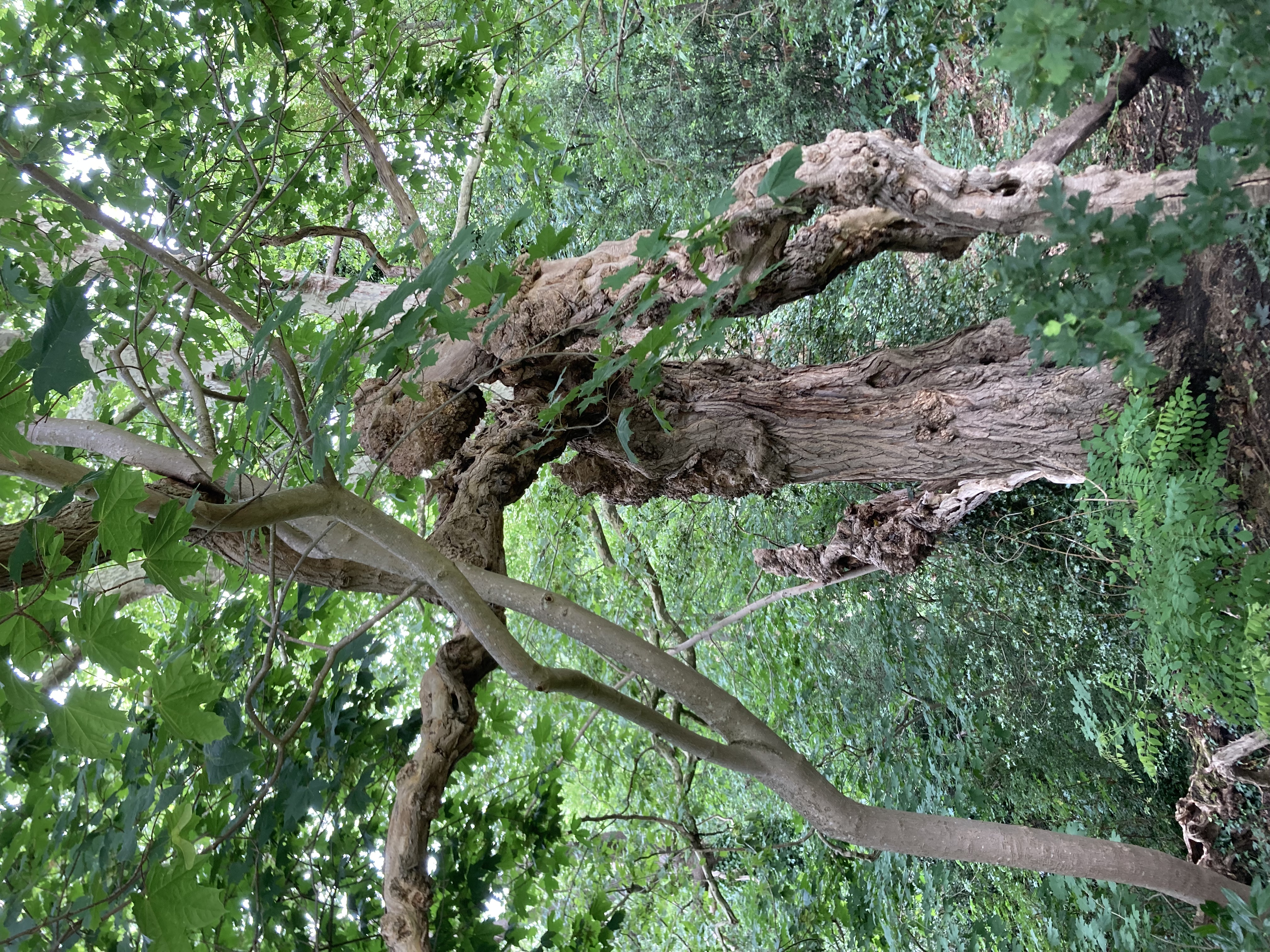
Ancient burl tree standing in a sea of bluebells, Abbey Wood

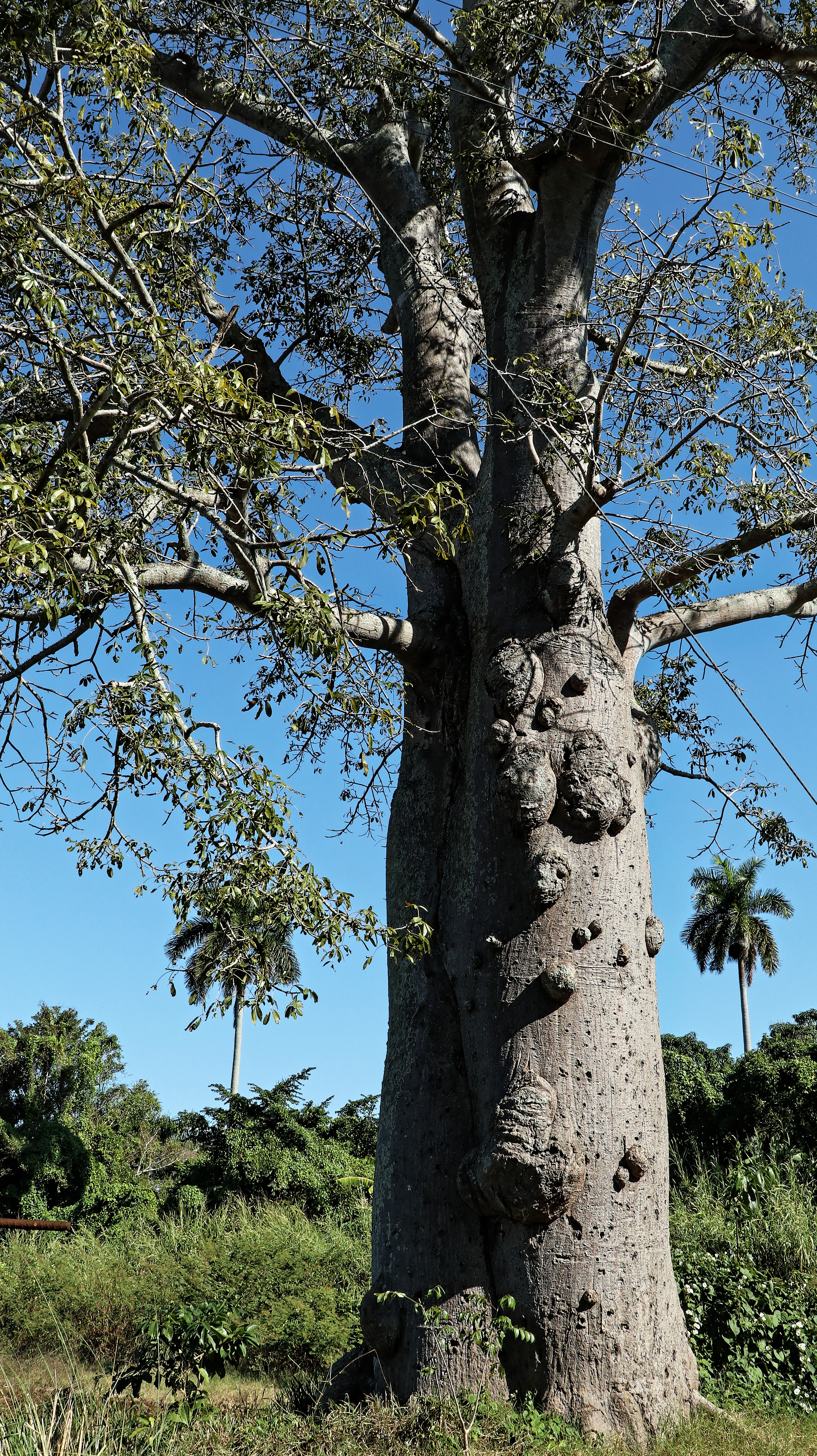
Rooted in the middle of the bluebell floor, ancient and strange and entirely itself, a burl tree. Its trunk covered in swellings. Years of wounds absorbed and healed around. And now made permanent. The tree carries every difficult thing it has survived on the outside of its body, visible. Unashamed. And gathered around it in every direction are bluebells. Wood anemones, plucky and lucky. A festival spreading through the trees as far as I can see.

Standing defiantly at this point, we have survived winter. The tiny flowers that waited underground through all those cold months. The crow. The hazel with its catkins held in readiness. All of us here, on this ordinary Tuesday, in this particular light.

There are not enough words for the colour green. Hue aside, it is a feeling. It is soothing. A balm. The colour of potential, of not yet finished, of every good thing still possible. Some colours overwhelm. Green never does. Green holds you. Green says: still here. Still going. Look how much is still here.

The path leading upward through the trees, Abbey Wood

The path leads upward. There is always a path. There is always a way through.

Go outside this week. Find the thing that stops you. Stand in front of it for longer than feels reasonable. Spring is already making its case — you just have to show up to hear it.

SE London · Spring 2026

Ostara · Ọnwa Ife Eke